Wearing Your Values: How Constitutional Rights Apparel Makes a Statement
@t1wqxxdplp
October 7, 2026 · 8 min read
When Fashion Meets the First Amendment
There is something powerful about wearing your beliefs on your chest. For decades, people have used clothing to signal their identity, their musical tastes, or their favorite sports team. But in recent years, a growing number of Americans have turned to their wardrobe for another purpose: defending democracy. This shift has given rise to a category of clothing that goes beyond fashion trends. It is called constitutional rights apparel, and it represents a growing movement of citizens who believe that free speech and civil liberties are worth displaying every day.
I first encountered this kind of clothing at a rally a few years back. A woman stood near the front holding a sign, but what caught my eye was her jacket. It was covered in patches from various court rulings and quotes from the Bill of Rights. She told me she had been wearing some version of that jacket for over a decade. For her, it was a way to start conversations and remind others that our rights did not appear overnight. They were fought for and defended through political dissent and peaceful assembly. That encounter stuck with me. It showed how something as simple as a piece of clothing can carry deep meaning.
The Roots of Activist Apparel
The tradition of using clothing for protest is older than the United States itself. Colonists wore symbols of resistance against British rule. In the 20th century, the Civil Rights Movement used clothing to challenge segregation and demand equality. The American Civil Liberties Union has long defended the right of individuals to express themselves through what they wear, recognizing that fashion can be a form of expression rights protected under the First Amendment. Today, that legacy continues with modern protest t-shirts and activist apparel that speak to issues ranging from voting rights to climate justice.
What makes constitutional rights apparel different from a simple slogan tee is its intentional connection to the legal and historical framework of our rights. These designs often reference constitutional law, the Bill of Rights, or specific Supreme Court decisions that protect civil liberties. They are not just about making a statement; they are about educating the wearer and the observer. When someone wears a shirt that says "Free Speech" or references a landmark court ruling, they are participating in a tradition of patriotic protest that values the rule of law and the principles of democracy.
Why People Wear Their Politics
Critics sometimes ask why anyone would wear a political message on their clothes. The answer is simple: visibility. In a world where media is fragmented and attention spans are short, clothing offers a direct and personal way to communicate. A person wearing activist merchandise at a coffee shop or on public transit can spark a conversation that might not otherwise happen. It is a low-barrier form of civil disobedience that invites dialogue rather than confrontation.
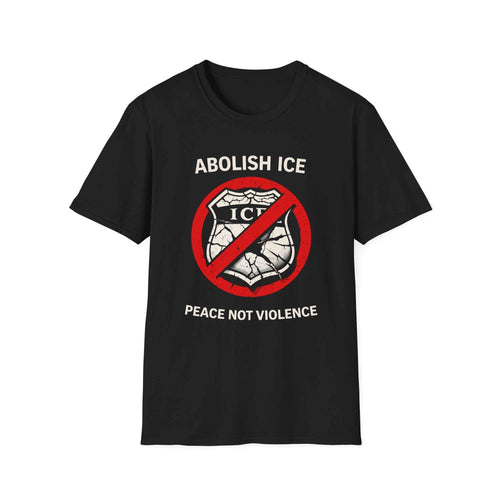
I have seen this happen many times. A friend of mine wears a shirt from Rise and Revolt that features a satirical take on a recent political controversy. He says it has led to more discussions with strangers than any social media post he has ever written. Some people agree with him, others disagree, but almost everyone engages. That is the value of wearing your values. It turns abstract concepts like free speech and civil liberties into something tangible and personal.
The Role of Satirical Designs
Satire has long been a tool for political dissent. From the cartoons of Benjamin Franklin to the comedy of today, humor allows people to critique power without resorting to violence. This tradition is alive and well in the world of protest t-shirts. Satirical designs can cut through the noise and make a point that sticks. They also offer a way for democracy defenders to express frustration or hope without being preachy.
Companies like Rise and Revolt have built a reputation for creating designs that are both bold and clever. Their apparel often uses irony to highlight contradictions in political rhetoric or to celebrate moments of resistance. This approach resonates with people who want to show their support for civil liberties without wearing a slogan that feels like a lecture. Satire invites the viewer to think, which is often more effective than telling them what to think.
More Than a T-Shirt: Building Community
When you wear constitutional rights apparel, you are not just making a personal statement. You are signaling to others that you share their values. This sense of community is especially important for people who feel isolated in their political views. A person in a small town who supports free speech and peaceful assembly might not have many like-minded neighbors. But when they wear a shirt with a pro-democracy message, they can find connection with others who feel the same way.
I have attended events where the crowd was a sea of different shirts, each one telling a story. Some were from the American Civil Liberties Union, others from smaller activist groups. A few were hand-painted by the wearer. In that moment, the clothing became a badge of belonging. It reminded everyone present that they were part of a larger movement, one that values the First Amendment and the Bill of Rights as cornerstones of American life.
The Intersection of Commerce and Activism
It is worth noting that this kind of apparel is often sold by small businesses that are themselves committed to the cause. Rise and Revolt, for example, sells not only protest t-shirts but also coffee, creating a space where activism and daily life intersect. Buying from such companies allows consumers to support democracy defenders with their dollars. It is a form of economic protest that reinforces the message on the clothing.
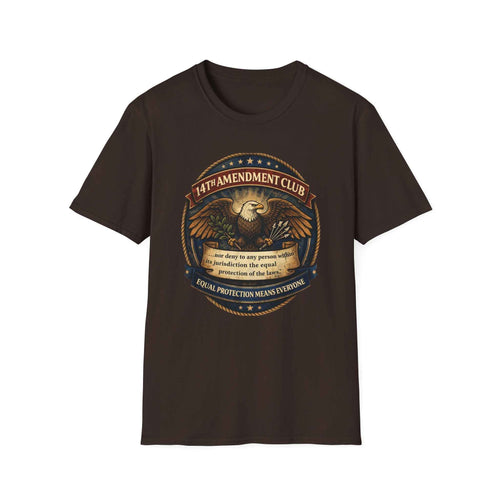
However, there is a tension here. Some argue that buying a shirt is not the same as doing the work of activism. That is a fair point. No piece of clothing can replace volunteering, voting, or showing up at a rally. But clothing can be a gateway. It can remind the wearer of their commitments and open the door to deeper engagement. The key is to treat constitutional rights apparel as one tool among many, not as a substitute for action.
Legal Protections and Limits
The right to wear political messages is protected under the First Amendment, but it is not absolute. The Supreme Court has ruled that the government can restrict speech in certain limited circumstances, such as when it incites violence or is obscene. For the most part, however, wearing a shirt with a political message is a clear example of free speech in action. Court rulings over the past century have consistently affirmed the right of individuals to express their views through clothing, from armbands in public schools to symbols on jackets.
This legal backdrop matters because it gives constitutional rights apparel its power. When you wear a shirt that references the Bill of Rights, you are participating in a tradition that the courts have upheld. You are also reminding others that these rights are not abstract; they are lived every day. The clothing becomes a small act of civil disobedience against any force that would try to silence dissent.
Practical Advice for Choosing Apparel
If you are considering buying this kind of clothing, here are a few things to keep in mind:
- Look for designs that are clear and readable from a distance. A great message is wasted if no one can read it.
- Consider the fabric and quality. A shirt that falls apart after a few washes undercuts the message.
- Think about the context. A satirical design might work well at a rally but could be misunderstood at a family gathering. Know your audience.
- Support companies whose values align with yours. Many small businesses donate a portion of their profits to organizations like the American Civil Liberties Union or other groups that defend civil liberties.
These considerations help ensure that your clothing is not just a statement but a lasting part of your wardrobe and your activism.
Looking Ahead
The market for activist apparel shows no signs of slowing down. As political polarization continues and new issues arise, people will keep looking for ways to express their views. Constitutional rights apparel will remain a popular choice because it connects personal expression to a larger legal and historical framework. It is clothing that carries weight, both in its material and its meaning.
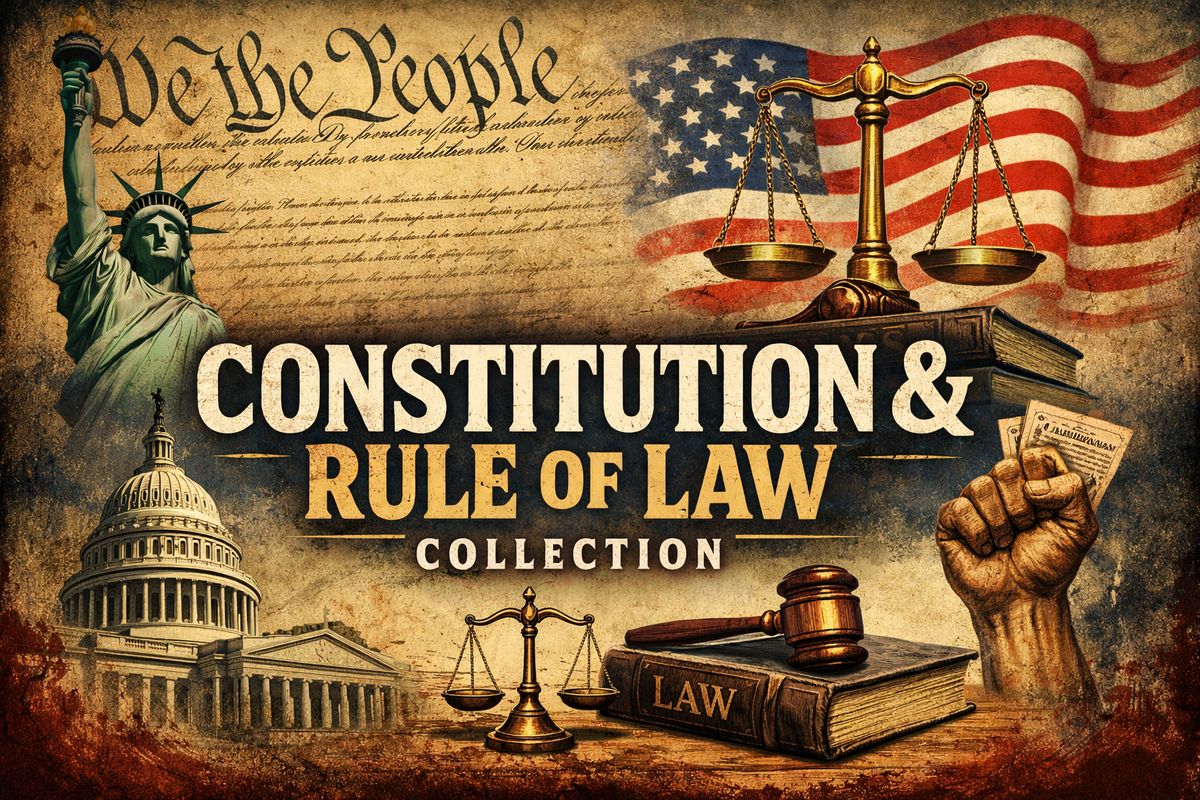
Whether you are a seasoned activist or someone just beginning to explore your expression rights, wearing your values can be a meaningful act. It reminds those around you that democracy is not a spectator sport. It invites others to join the conversation. And it gives you a small but real way to stand up for what you believe in, every single day.
So the next time you see someone wearing a shirt that references the First Amendment or the Bill of Rights, take a moment to appreciate what that piece of clothing represents. It is not just fabric. It is a statement that the wearer values free speech, civil liberties, and the ongoing work of building a more just society. And that is a message worth wearing.